“Neglected diseases”
In the 21st century parasitic and tropical diseases remain a priority for the World Health Organization. More than 30 parasitic diseases are registered in Georgia.
Without fighting parasitic and tropical diseases and controlling their spread, people face severe, life-threatening illnesses that often cost them their ability to work and weaken them so much that other infections can become fatal. Only systematic attention to our own health protects us from these diseases.
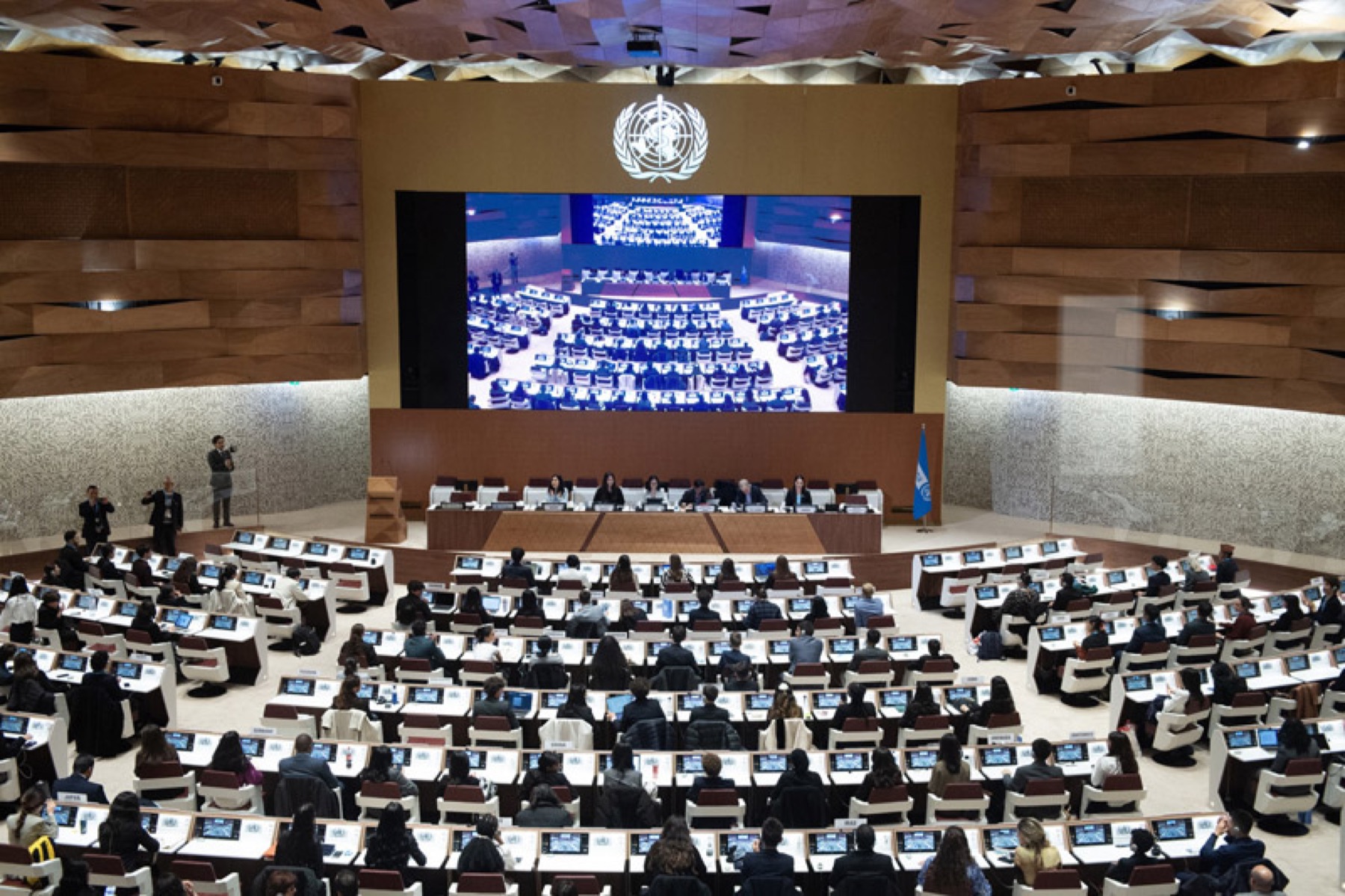
In the 21st century parasitic and tropical diseases, the so-called “neglected diseases”, remain a priority for the World Health Organization (WHO). According to the WHO, up to 300 million cases of malaria are registered worldwide each year, and a quarter of the world’s population is infected with intestinal parasites. Pets, cattle and crops are also at risk. Today’s climate change creates favourable conditions for the agents of “neglected diseases” in non-tropical regions too, putting people at risk.
Georgia’s geographical position and climate favour the wide spread of various parasitic diseases, their agents and vectors.
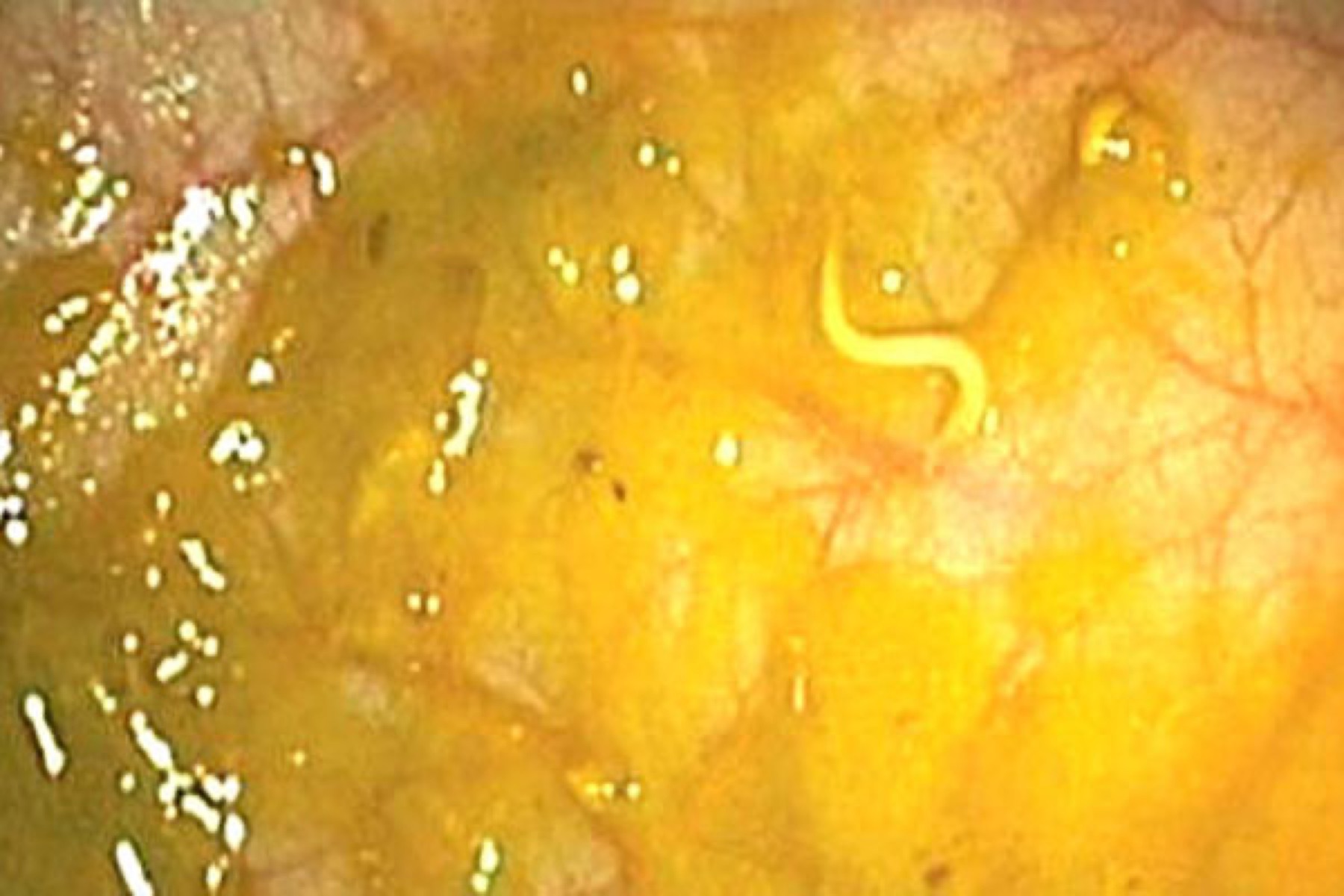
More than 30 different parasitic diseases are registered in Georgia, including imported ones: tropical malaria and helminthiases such as intestinal schistosomiasis, opisthorchiasis, diphyllobothriasis, loiasis and paragonimiasis.
Intestinal parasites are widespread throughout Georgia: protozoal infections (giardiasis, amoebiasis) and helminthiases (ascariasis, trichuriasis). Over the last decade the pattern has changed, with enterobiasis, taeniasis, fascioliasis and echinococcosis on the rise.