Tbilisi · Since the early 20th century
Live without parasites
Diagnosis, treatment and prevention of parasitic and tropical diseases, by a team of professionals caring for your health.
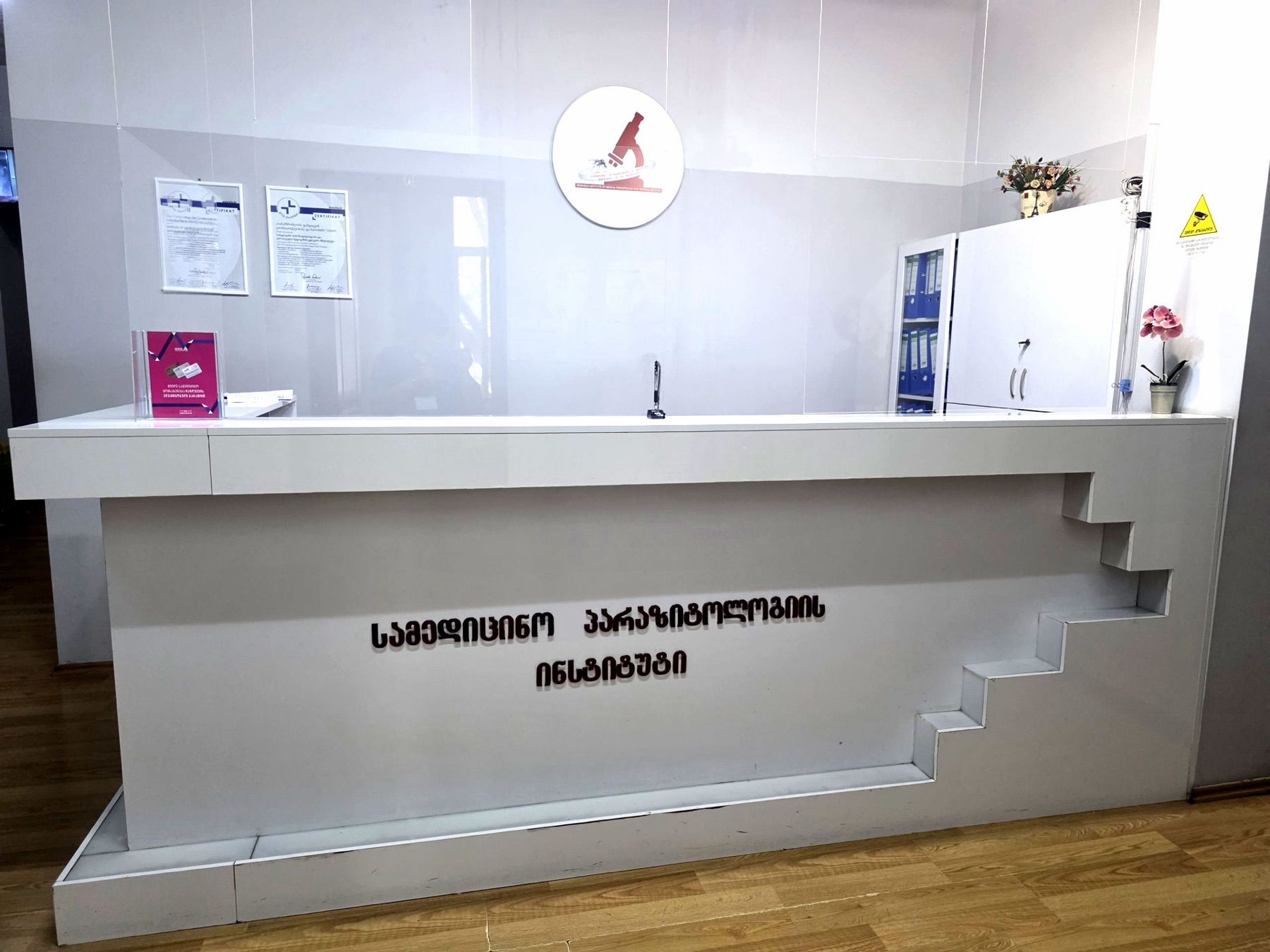
A century of experience in the fight against parasitic diseases
The fight against parasitic diseases in Georgia began in the early 20th century, and a new generation of specialists continues it with dignity.
Read moreA team that makes you feel at home — from the first consultation to the end of treatment.
- 01
Fast, accurate diagnosis with modern methods
Our experienced medical staff will order the right tests for your symptoms and, once the results are in, prescribe the appropriate treatment.
- 02
Careful management of treatment and follow-up
Our caring doctors stay by your side until the course of treatment is complete.
- 03
A school of Georgian parasitology
Our doctors were trained in the traditions of the school that led the eradication of malaria in Georgia.
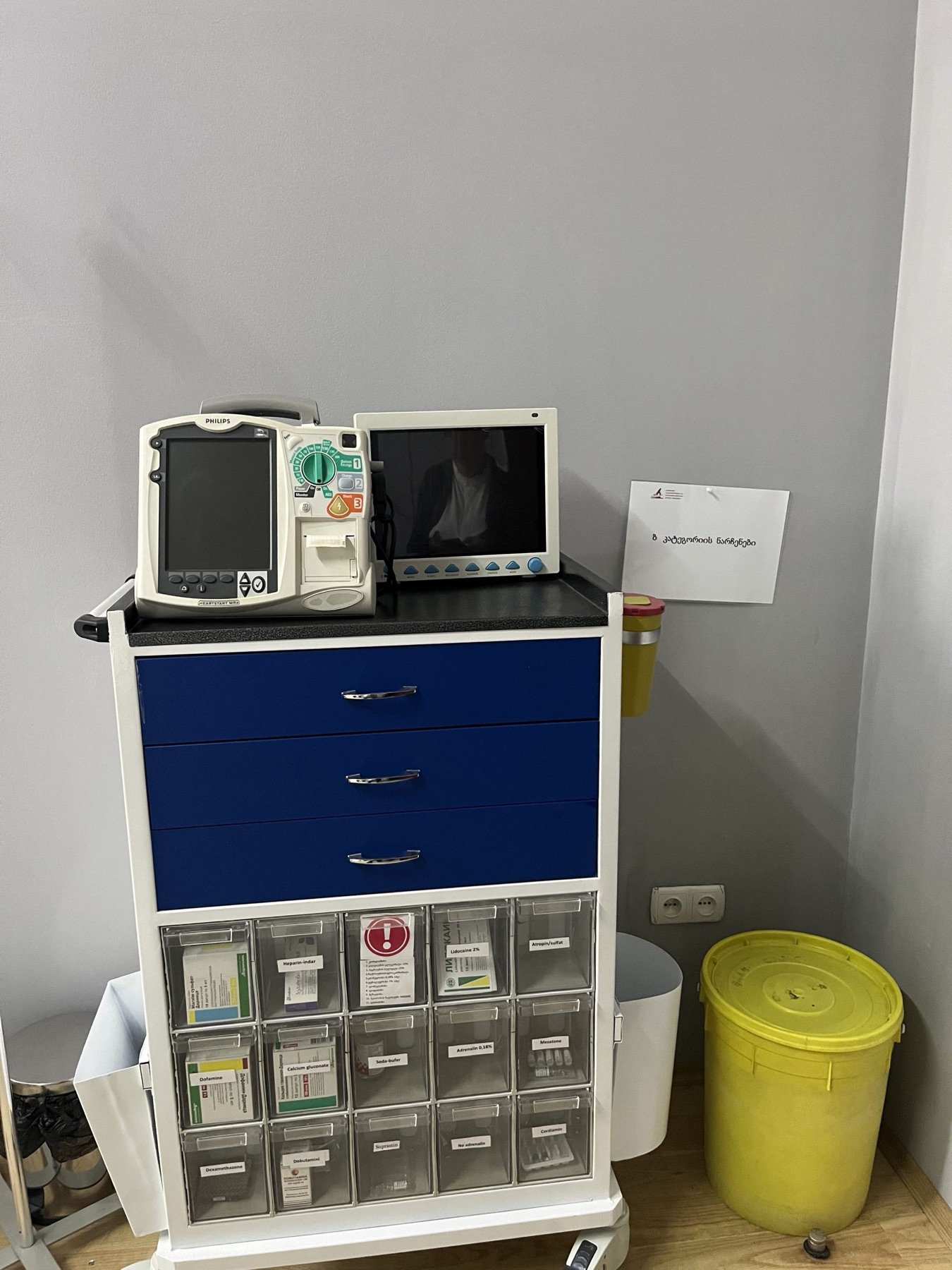
Everything for diagnosis and treatment, under one roof
From a consultation with a parasitologist to specialised laboratory tests.
 44tests
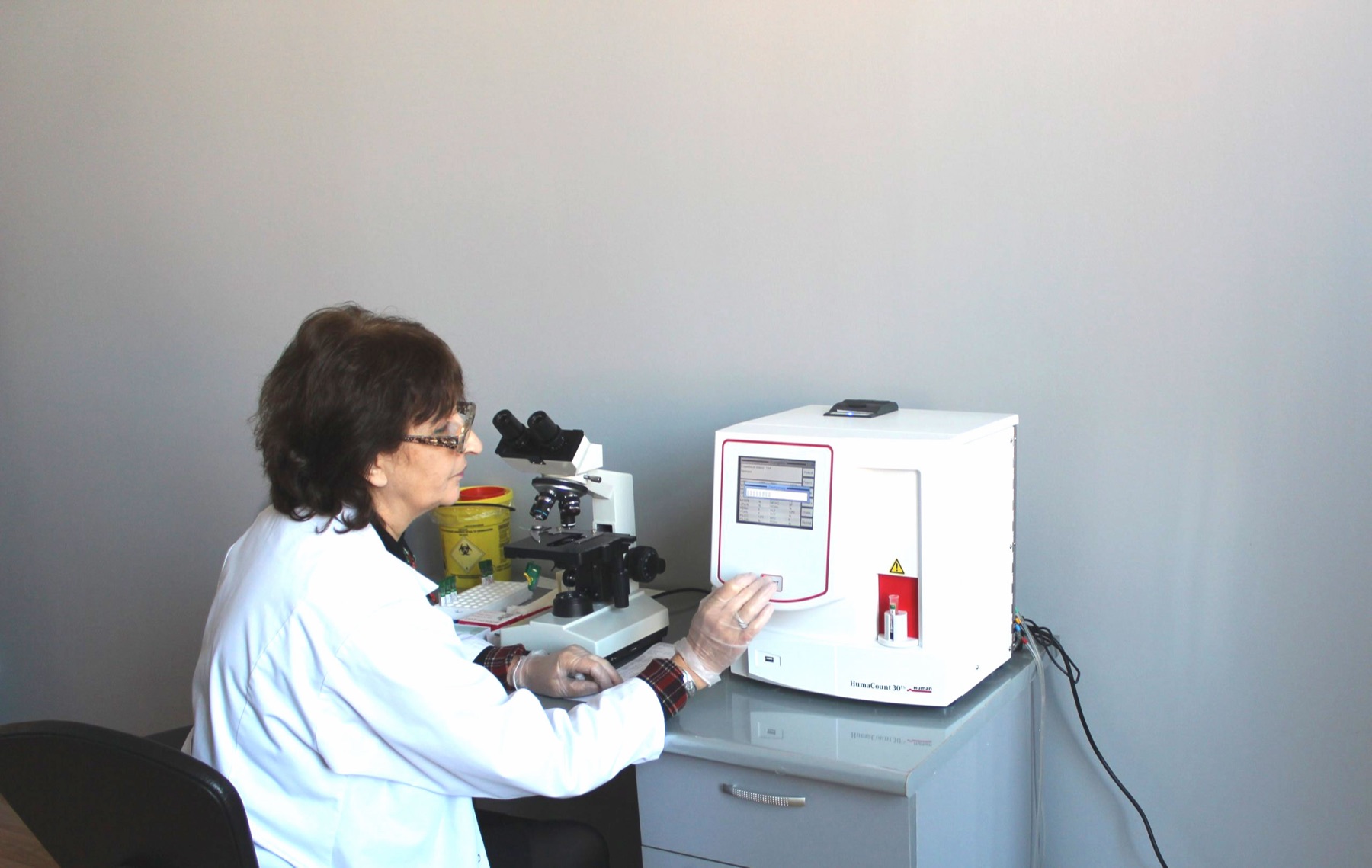
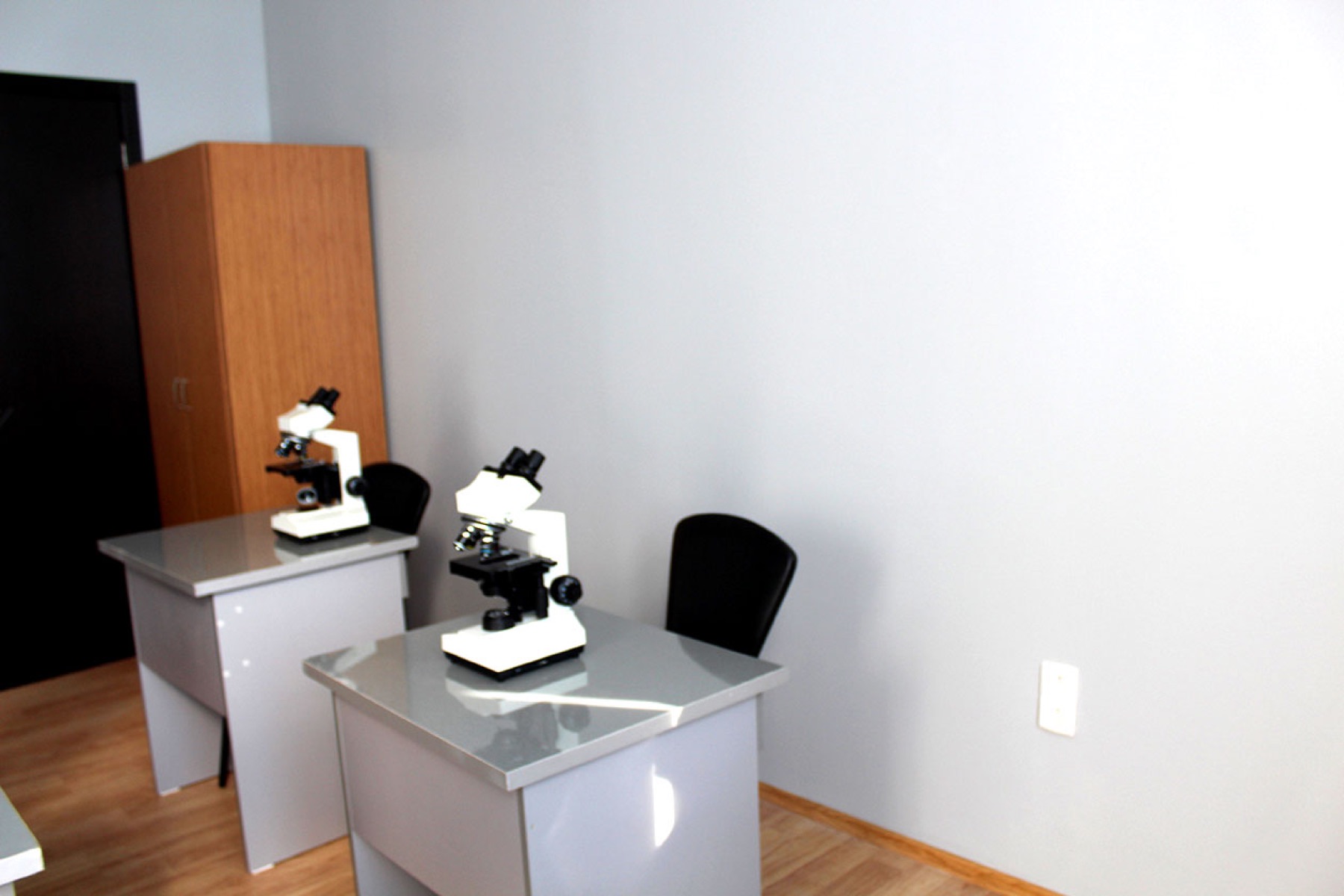
03 Laboratory
Research in many directions
Microscopy, antigen detection and antibody testing in blood serum, alongside the clinical and biochemical tests a full diagnosis needs.
- 01Parasitological microscopy
- 02Antigen detection
- 03Serology
- 04Clinical and biochemical tests
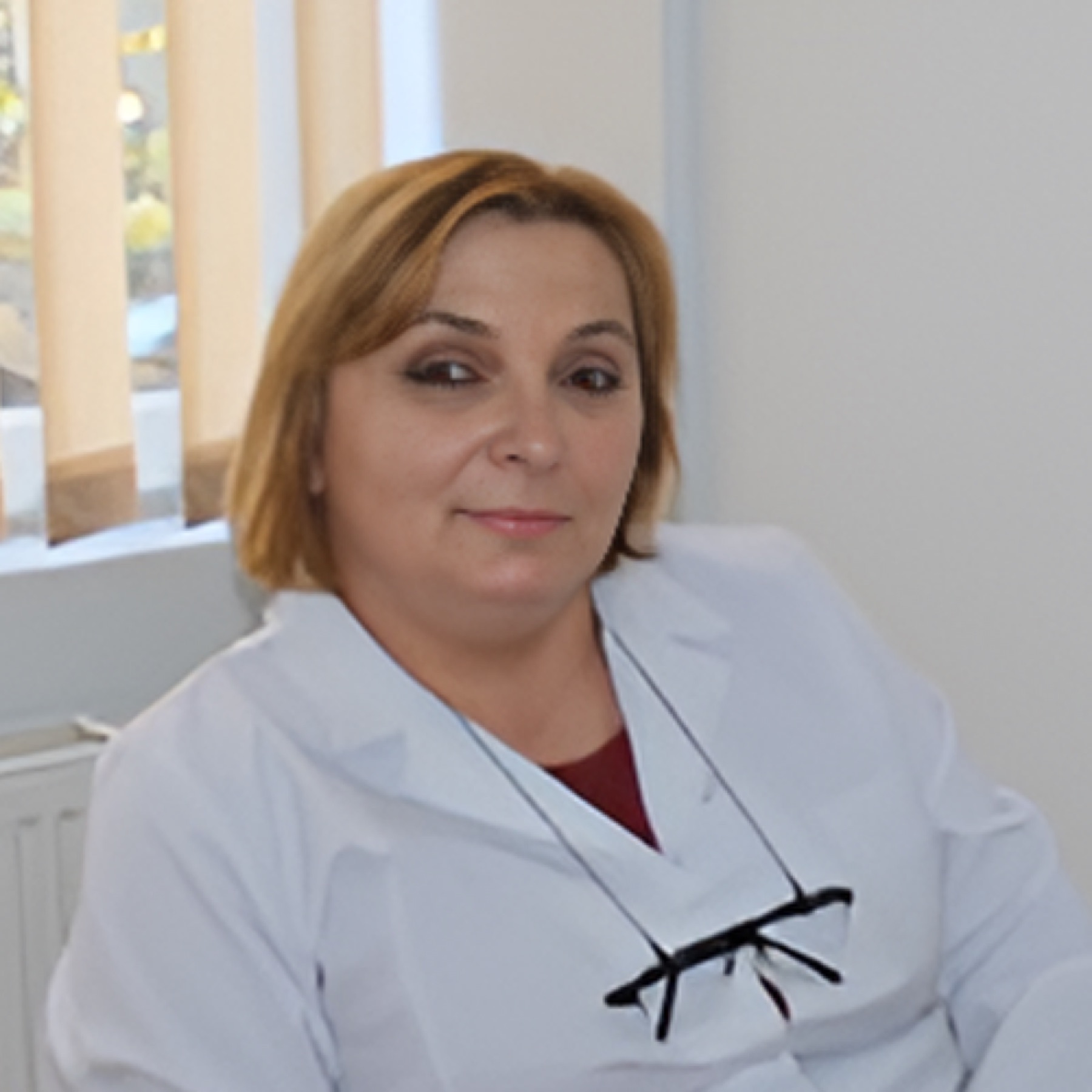
Meet our doctors
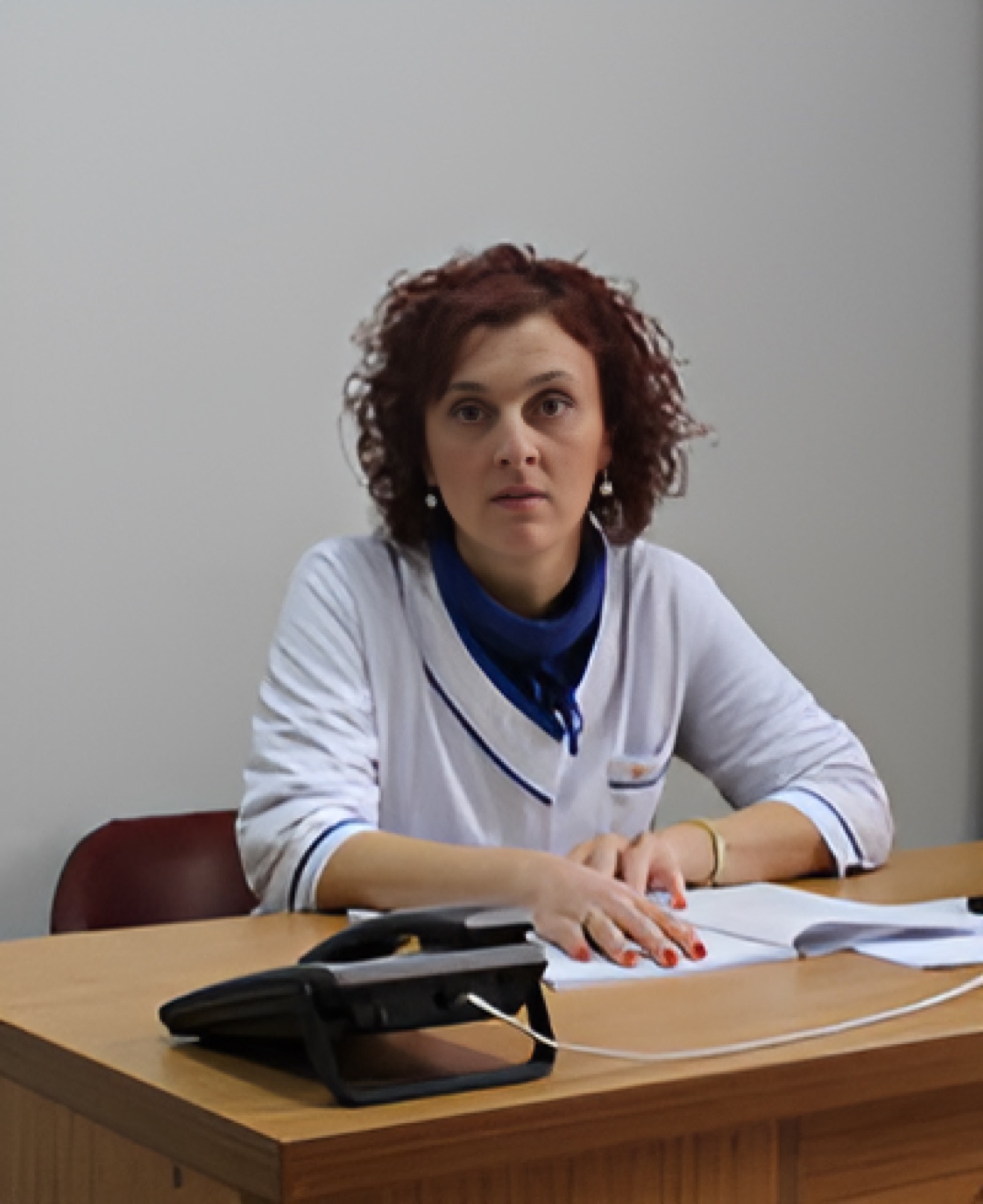
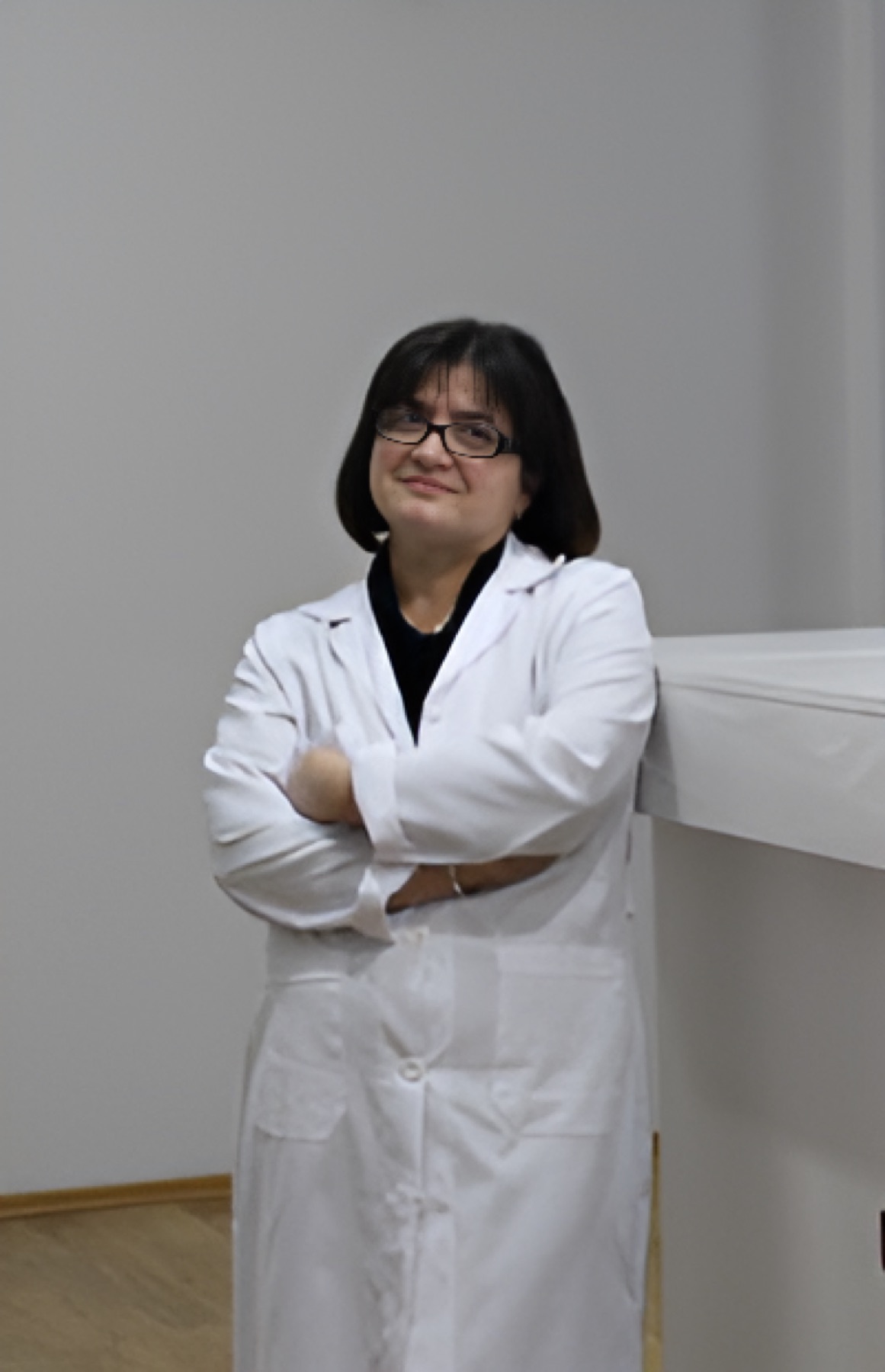
Parasitologists, laboratory physicians and a radiologist trained in the traditions of the Georgian school of parasitology.
All doctors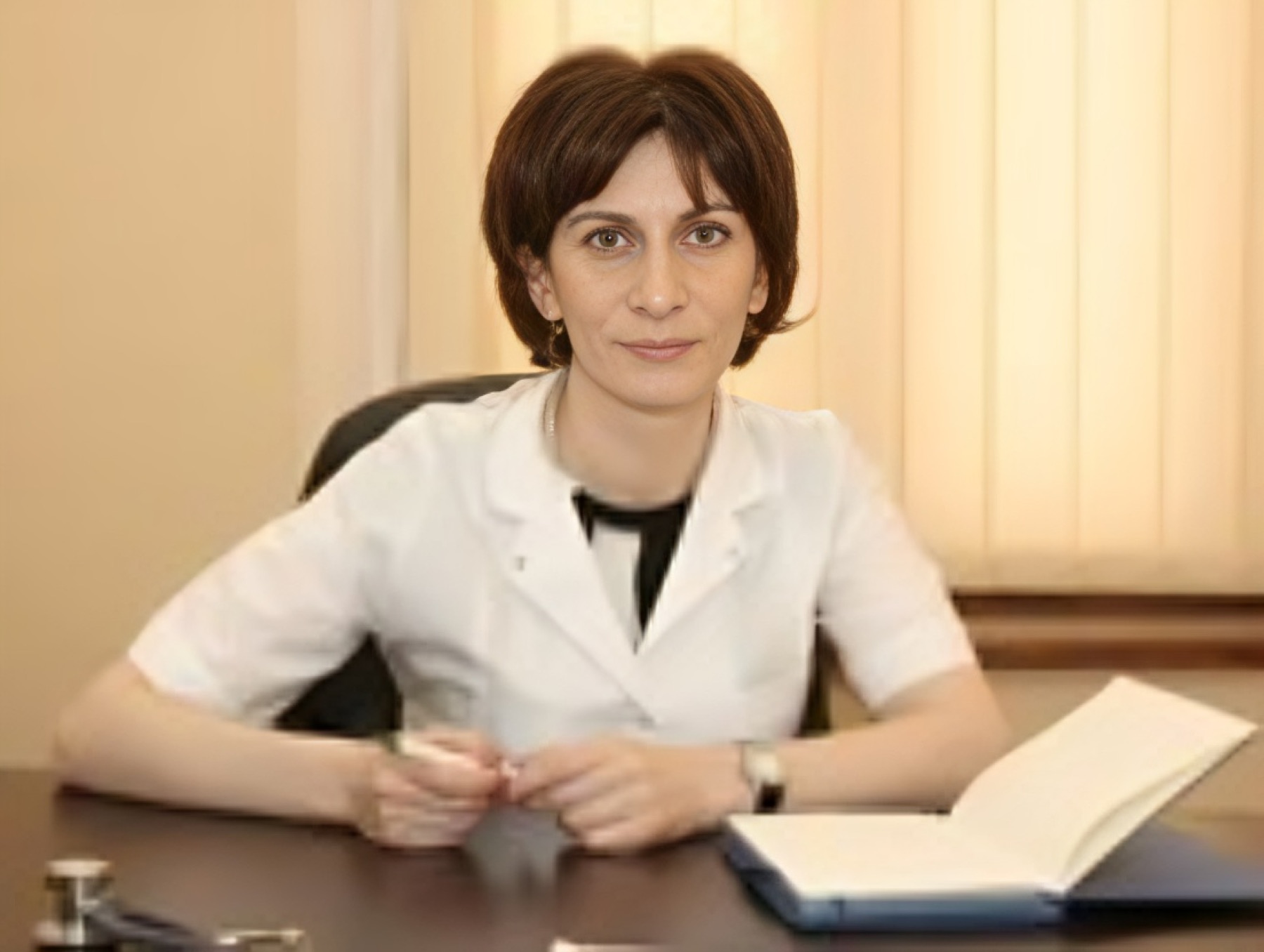
Latest news and useful information
All news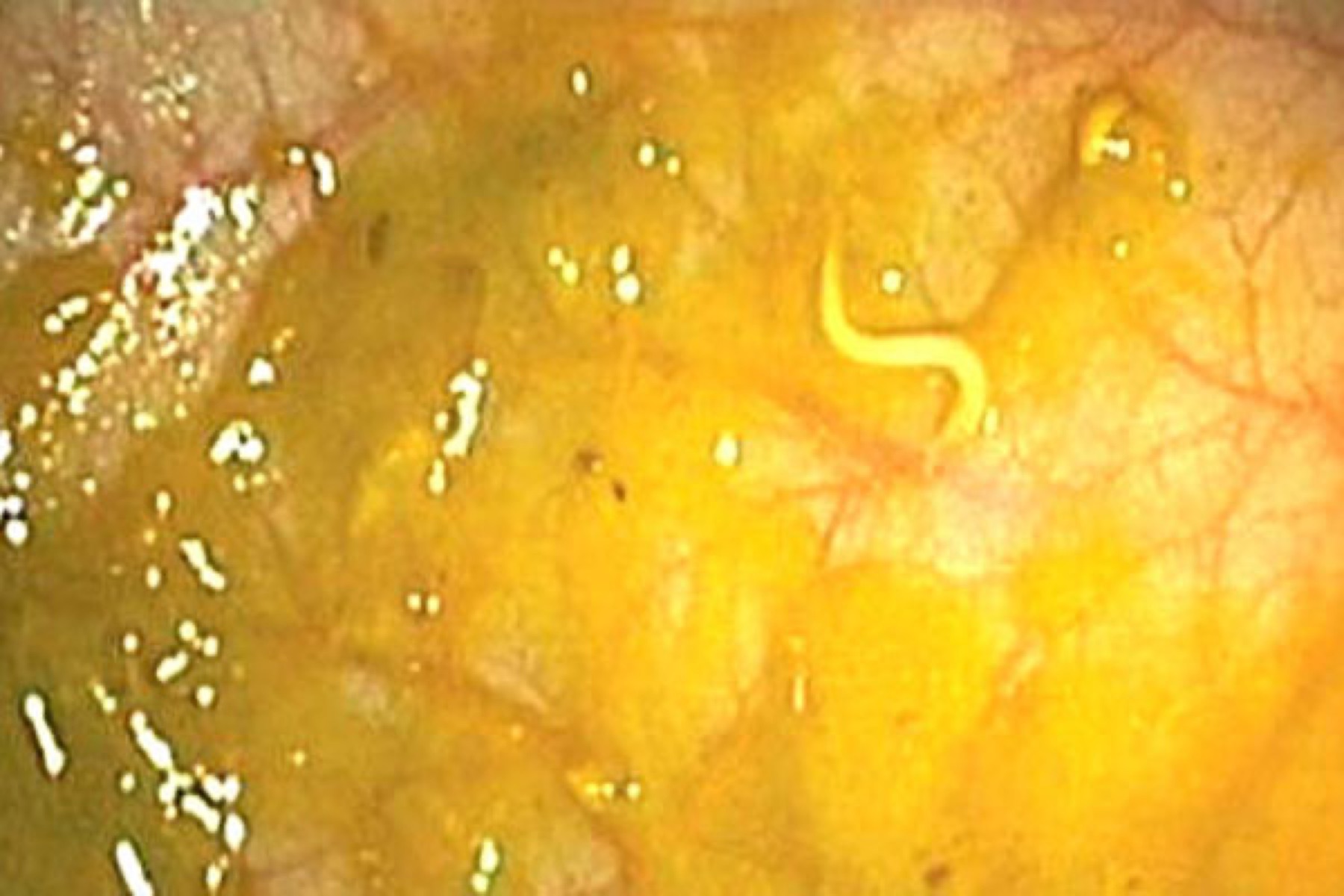
Enterobiasis
Pinworm infection is common in every country and at every age, most often in preschool and school children. How it spreads, how it is diagnosed and how to prevent reinfection.

“Neglected diseases”
In the 21st century parasitic and tropical diseases remain a priority for the World Health Organization. More than 30 parasitic diseases are registered in Georgia.
01Which methods does your laboratory use to diagnose parasitic diseases?
Microscopy, antigen detection and antibody testing in blood serum.
02What symptoms can a parasitic disease cause?
Symptoms vary. With intestinal parasites a person may have general weakness, tiredness, loss of appetite, nausea, drooling at night, bloating, abdominal pain or pain around the navel, constipation or diarrhoea. Irritability, dizziness and headaches are also common, and allergic reactions, itchy skin and rashes may appear.
03Are parasitic diseases dangerous for children?
Yes. Parasites in a child’s body can slow growth and development, weaken immunity and cause other health problems.
04How should I collect a sample to test for intestinal parasites?
Intestinal parasites are diagnosed by microscopy of a perianal (cotton) swab and stool.
After a bowel movement, take stool from several (4–5) places and put it in a container. Ideally, bring it to the laboratory within 2–3 hours.
To look for worm eggs, a sample taken the evening before is acceptable if it is kept somewhere cool and brought to the laboratory in the morning.
For the cotton swab: do not bathe the child before bed; place a small piece of clean cotton over the anal opening. In the morning put the cotton in a container or bag and bring it to the laboratory.
Our partners






Appointments
Write to us with your questions
Book a consultation online or call us. We will get back to you to confirm the time.