Enterobiasis
Pinworm infection is common in every country and at every age, most often in preschool and school children. How it spreads, how it is diagnosed and how to prevent reinfection.
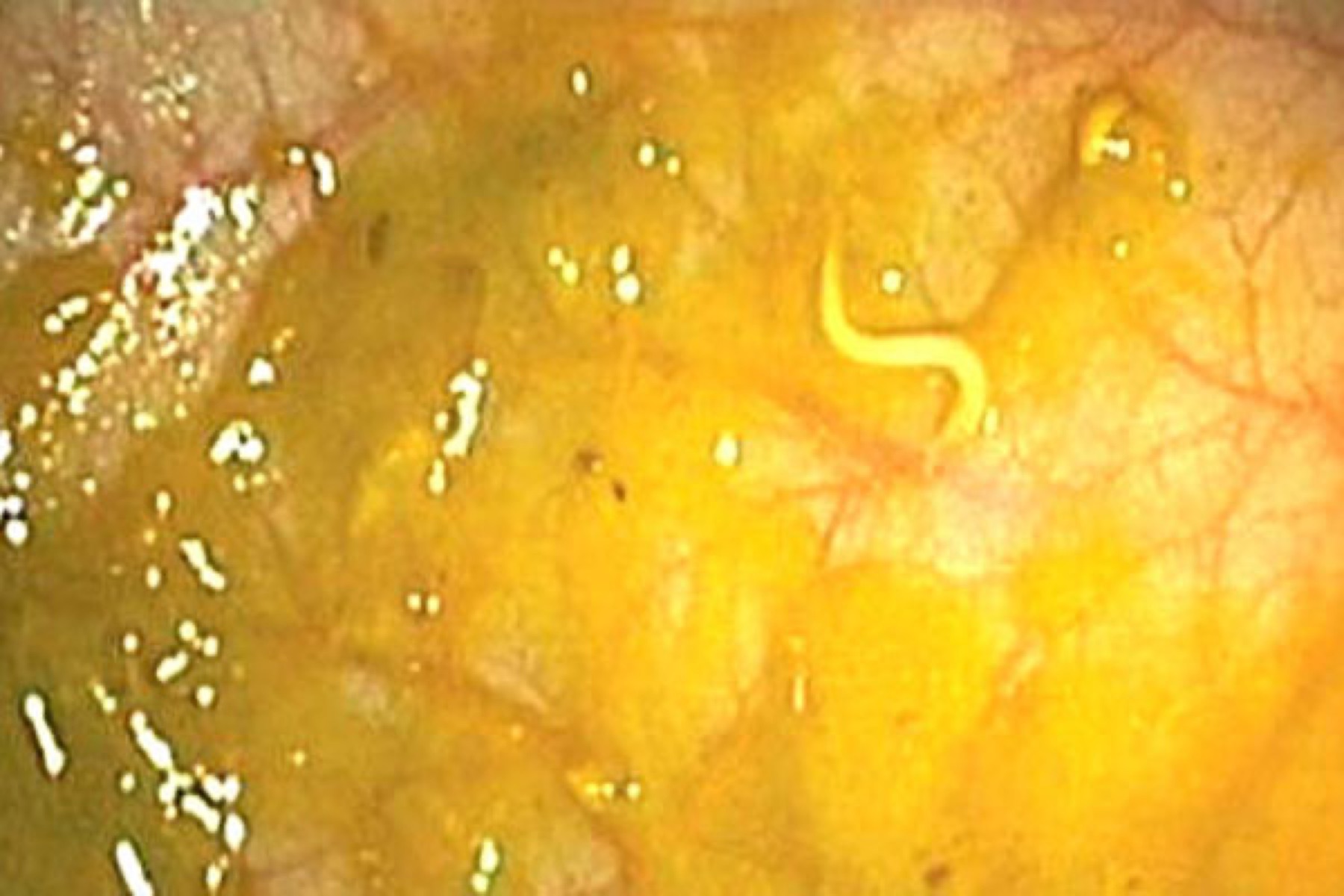
Enterobiasis is a disease caused by a thin white worm up to 1 cm long, the pinworm (Enterobius vermicularis). It occurs in every country of the world and in people of all ages; preschool and school-age children are affected most often. The disease passes easily from one person to another.
Worms living in the intestine move to the anal area and lay eggs there, which usually causes itching. When scratching, the eggs stick to the fingers and get under the nails, and from there onto toys, bed linen and everyday objects. Infection happens when hands or any contaminated object (toys, clothes, dishes) reach the mouth, through dust containing eggs, and in summer flies also carry them. On surfaces the eggs stay viable for up to a month.
Importantly, with enterobiasis a patient can not only infect others but also reinfect themselves.
Patients suffer from poor sleep, irritability and anal itching, and may have recurring abdominal pain and nausea. In girls the disease can sometimes lead to genital infections.
Diagnosis is made in the laboratory: microscopy finds eggs in the stool or in a perianal scraping. Parents may sometimes see the adult worm with the naked eye.
Enterobiasis is treated with anthelmintic medicines, and a follow-up test three weeks after treatment is essential. Because the eggs survive for a long time on toys, taps, bed linen and dishes, wet cleaning of the home must go together with personal hygiene: washing morning and evening, changing bed linen and underwear, washing nightwear, underwear and towels in hot water, keeping nails short, breaking the habit of nail-biting and washing hands often.